 Freddy Kalder Freiherr von Kalder, Baron of Stainton le-Vale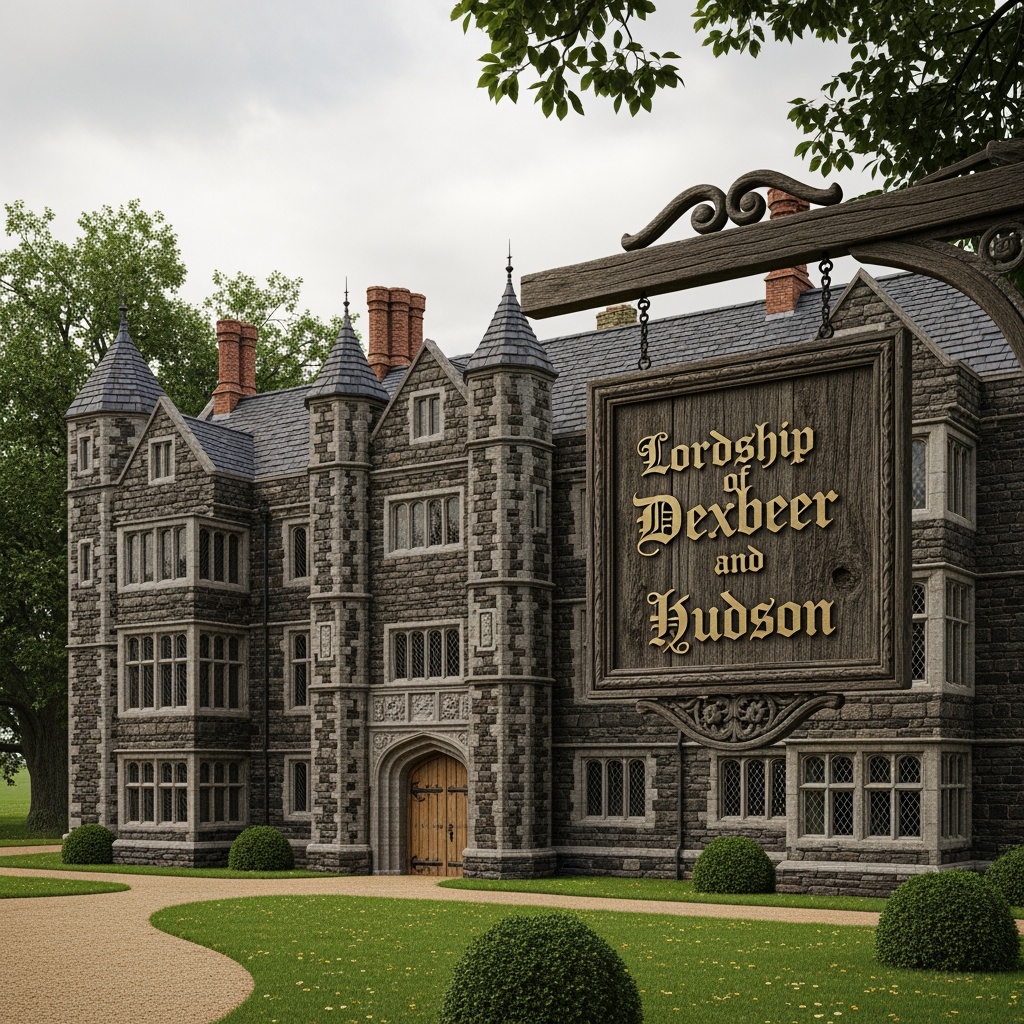
Note that Freddy Kalder from Sinsheim, Germany, has acquired the hereditary title of Lord of Dexbeer and Hudson in the parish of Pancrasweek in Devon. Since 22 May 2025, Freddy Kalder has officially been the Lord of Dexbeer and Hudson. It is important to emphasise that this title does not include any land or fiefdoms, but rather represents a modern form of intangible heritage.
The history
The manor of Dexbeer and Hudson lies within the picturesque boundaries of the parish of Pancrasweek in Devon and has significant historical relevance dating back to ancient times. This scenic region is not only known for its natural beauty, but also for its fascinating past, which has shaped the local culture and heritage.
The concept of manorialism itself dates back to the medieval feudal system that prevailed throughout Europe. Manors were the backbone of rural administration and social hierarchy, with lords ruling over lands and vassals. The manor of Dexbeer and Hudson is a prime example of this structure, which has become ingrained in the Devon landscape.
Beginnings and development – The origins of Dexbeer and Hudson can be traced back to the time of the Norman Conquest in the 11th century. After William the Conqueror’s victory in 1066, large parts of England were divided among his loyal followers. In Devon, many fiefdoms were granted to Norman barons and knights, including the lands that would later become Dexbeer and Hudson.
Historical records first mention Dexbeer in the Domesday Book of 1086, a comprehensive inventory of English lands ordered by William the Conqueror.
In the book, Dexbeer is referred to as ‘Duc’s Bere’, suggesting that it was owned by a Saxon lord before the conquest. Hudson, on the other hand, did not appear in historical writings until some time later.
Medieval prosperity – Throughout the Middle Ages, Dexbeer and Hudson flourished under the administration of various noble families. These estates were centres of agricultural production, providing food for the local population and contributing to the regional economy.
The lords of Dexbeer and Hudson exercised considerable control over their estates. They were responsible for maintaining order, administering justice and ensuring the welfare of their tenants. The manorial courts were important institutions where disputes were settled, allegiance was sworn and local regulations were enforced.
Architectural heritage – The architectural traces of manorial rule are still visible in the region today. Dexbeer Manor House bears witness to the grandiose designs favoured by medieval lords. Originally built in the 13th century, the house has undergone several renovations, while retaining its historic character.
Although less well known, Hudson Manor has its own architectural charm. The masonry and timber-framed construction of the manor house reflect the craftsmanship of bygone eras. These buildings are physical evidence of the enduring legacy of manorialism.
Transition through turbulent times – The history of Dexbeer and Hudson is marked by turbulent times, particularly during the English Civil War in the 17th century. As Royalists and Parliamentarians clashed, the region experienced its own upheavals. Political loyalties meant that land ownership changed hands frequently, affecting the stability of the feudal system.
After the Civil War, the Restoration period brought stability, but profound changes continued to take place. Industrialisation in the 18th and 19th centuries transformed many rural landscapes, including Devon. The traditional estate economy faced challenges as agriculture became mechanised and the rural population migrated to the cities in search of better opportunities.
Significance today – Today, the manors of Dexbeer and Hudson no longer function in their historical role, but remain a symbol of cultural identity for the community of Pancrasweek. The old customs and traditions associated with the manors are celebrated at local festivals and gatherings.
The efforts of local historical societies to preserve history ensure that the rich history of Dexbeer and Hudson is not forgotten. The manor houses have been converted into museums and cultural sites, attracting visitors interested in Devon’s historic past.
Further insights from historical sources – Research from various historical sources provides deeper insights into the lives of the inhabitants of these manors. Medieval documents reveal the complex systems of land use, crop rotation and animal husbandry that supported the manors’ economies. In addition, legal documents and deeds provide information about the administrative structures that governed the manors’ administrative areas.
The relationship between landlords and tenants was complex. Tenants owed labour or rent to the landlords, but also enjoyed a certain degree of protection under manorial law. Festivals, fairs and religious celebrations were an integral part of community life and fostered a sense of belonging and shared purpose.
Influence on local culture – The influence of Dexbeer and Hudson also extends to the cultural fabric of the community of Pancrasweek.
Many local families trace their ancestry back to the medieval inhabitants of these estates and continue to maintain links with their ancestral lands. Folklore and oral histories passed down from generation to generation enrich the collective memory of the community.
Certain local dialects and linguistic features can be traced back to historical interactions within the manorial systems. The names of fields, streets and landmarks often bear traces of Old English and Norman French, reflecting the region’s layered history.
The manors of Dexbeer and Hudson in the parish of Pancrasweek in Devon offer a fascinating insight into the medieval past and its continuing influence on modern culture. From their early mention in the Domesday Book to their architectural marvels and their turbulent transitions through historical eras, Dexbeer and Hudson stand as symbolic guardians of Devon’s rich heritage.
As we explore these ancient manors, we not only discover the stories of the lords and tenants, but also connect with a heritage that continues to shape the identity of the parish of Pancrasweek to this day. The preservation and study of these sites ensure that the timeless history of Dexbeer and Hudson will be preserved for future generations to appreciate and learn from.