 Freddy Kalder Freiherr von Kalder, Baron of Stainton le-Vale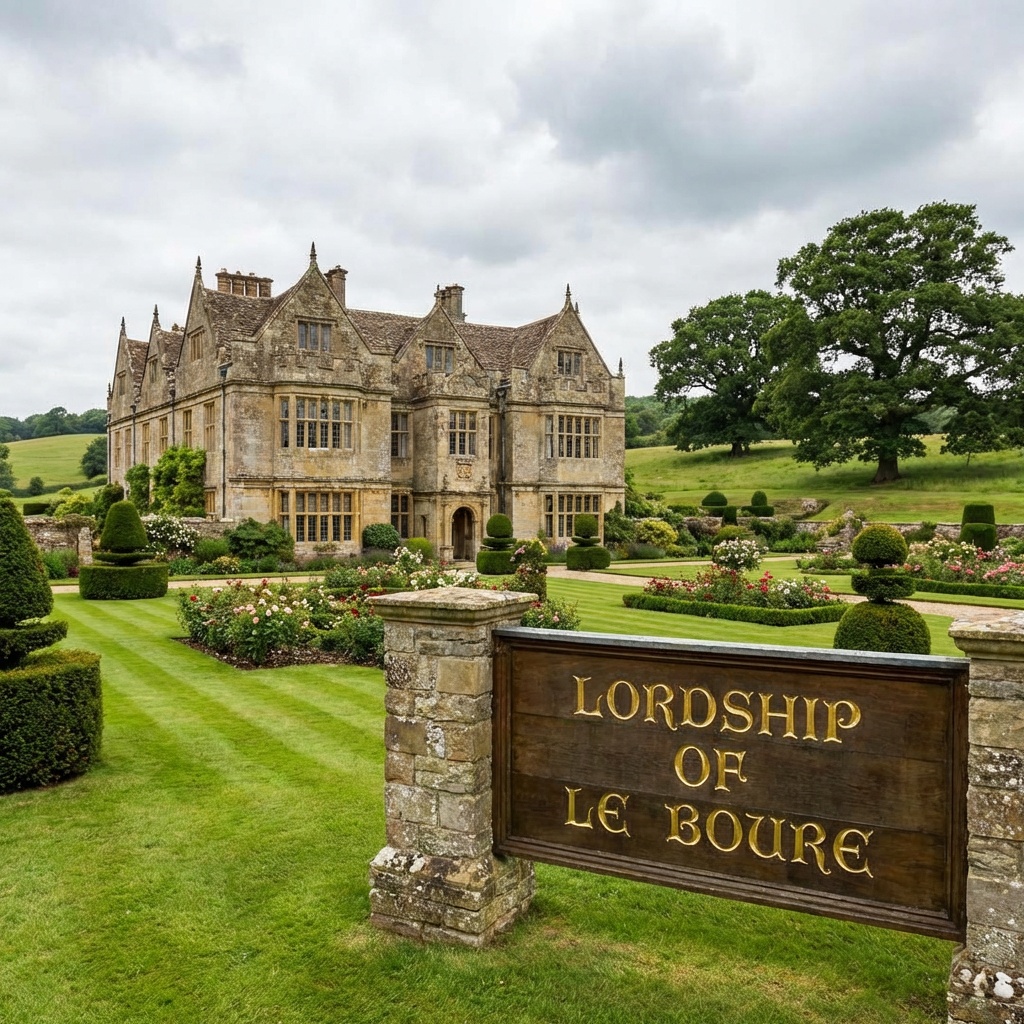
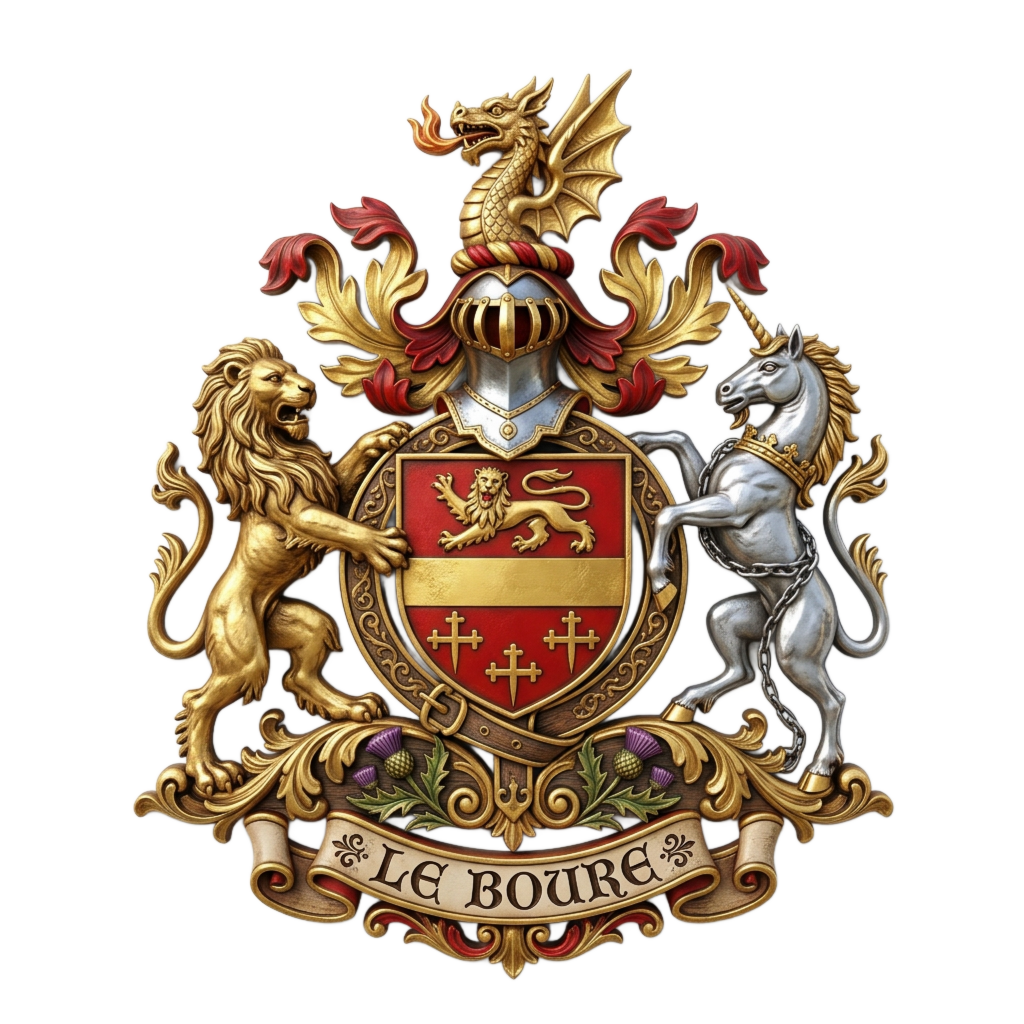
Note that Freddy Kalder from Sinsheim, Germany, has acquired the hereditary title Lord of Le Boure, the Parish of Upper Arley, Worcestershire. Since 30th March 2026, Freddy Kalder has officially been the Lord of Le Boure, the Parish of Upper Arley, Worcestershire. It is important to emphasise that this title does not include any land or fiefdoms, but rather represents a modern form of intangible heritage.
The history
Nestled in the rolling countryside of Worcestershire, England, lies Upper Arley—a picturesque village rich in history and mystery. At the heart of this village lies a story largely forgotten by modern society, yet closely intertwined with England’s medieval past: the Lordship of Le Boure. This tale of feudal power, cultural development, and enduring legacy embodies the fascinating complexity of bygone eras.
A Glimpse into the Historical Background of Upper Arley – Upper Arley, situated on the sparkling River Severn, exudes a timeless charm. Known today for its scenic beauty and tranquil atmosphere, this picturesque village offers more than just postcard views. Its roots run deep into English history, with traces of human settlement dating back to the Saxon era. The region flourished during the Middle Ages and became a major hub for river trade and agriculture. Yet behind the idyllic image lies a rich tapestry of local power structures. The community itself has long been linked to landowners and feudal lords who shaped its development over the centuries. Among these historical figures, the Lords of Le Boure stand out as decisive influences who defined the socio-political framework of Upper Arley and beyond.
The Origins of the Lordship – The term “lordship” conjures images of castles, knights, and power. Yet even though the Lordship of Le Boure lacked sprawling fortresses, its significance was no less profound. The lordship, whose roots extend back to England’s feudal era—a system established following the Norman Conquest in 1066—represented dominion over land, resources, and people. Le Boure was a small but strategically valuable settlement within the Upper Arley area. Land registry records, including entries from the Domesday Book of 1086, suggest that parts of this area were owned by significant lordships or ecclesiastical institutions. Although concrete mentions of Le Boure from this period are scarce, it is generally believed that the settlement became part of a fief granted by William the Conqueror or subsequent monarchs to loyal vassals. The name “Le Boure” itself may derive from Old French or Anglo-Norman and could refer either to geographical features—such as a “dwelling near a hill”—or to agricultural production. In those early days, feudal lords ruled over their fiefs not only as landowners but also as administrators, protectors, and judges for those living under their rule.
A Glimpse into Feudal England – To understand the significance of the Le Boure domain, one must consider the feudal system as a whole. Lords such as those of Le Boure did not merely own land; they wielded immense influence, collected taxes, oversaw agricultural activities, ensured military defense, and facilitated the resolution of disputes. They served as intermediaries between the monarch and the common people—a crucial role that maintained the stability of medieval England. With its fertile plains and proximity to trade routes, Upper Arley offered unique advantages for such a lordship. It likely flourished under its feudal rule, benefiting from agricultural productivity and gradually developing into a close-knit community with shared religious and cultural practices. Feudal England, however, also had its challenges. Regular conflicts, disputes over land ownership, and the burden of taxation often weighed heavily on the common people. In many ways, the history of Le Boure mirrors the broader narrative of the rise and eventual decline of feudalism.
Ownership and Changes Over Time – Historical records shed light on several key transitions in the administration of Upper Arley and trace the evolution of the Le Boure estate. In the late Middle Ages, the area came under the rule of prominent families who expanded their lands and consolidated their authority. For example, Arley Hall—which remains a significant landmark to this day—bears witness to the continuity of the noble lineage associated with the community. The Industrial Revolution marked a turning point for rural communities like Upper Arley. As England embraced modernization, estates such as Le Boure underwent rapid changes. The feudal structure dissolved in favor of centralized political systems, causing the unique autonomy once enjoyed by local lords to fade. Nevertheless, some remnants of these traditions have been preserved, particularly in ceremonial roles and titles maintained by noble families. Today, the Lordship of Le Boure exists not as a system of government, but as a historical designation—a reminder of what the area once stood for. Titles such as these were bought and sold in modern times, often as a sign of prestige or as an investment. Yet their significance extends far beyond the paper; they are fragments of history that connect present-day England to its feudal roots.
The People and Their Stories – While the lords themselves are often the focus of historical accounts, the lives of the common people in Le Boure deserve just as much attention. The villagers depended on the lordship for protection and support, but at the same time contributed to the local economy through their labor and goods. Archaeological finds point to a thriving rural way of life, in which farms, mills, and workshops formed the backbone of daily life. Social gatherings in churches, at fairs, and in markets fostered cohesion among the residents and created a culture unique to Upper Arley. A particularly fascinating aspect of local lore are stories of resistance—peasants who rebelled against oppressive taxes or mistreatment by landowners. These stories remind us that while feudalism often created a rigid social structure, it was by no means immune to resistance. Like many rural communities, Upper Arley struggled with the balancing act between tradition and progress.
The Legacy of the Manor – What remains today of the Le Boure manor? Although its active role in administration ended centuries ago, its legacy lives on in the cultural memory of Upper Arley. Landmarks such as Arley Hall and the nearby church bear witness to the importance of the noble families throughout the community’s history. Old boundaries and place names continue to underscore the physical presence of the lordship. Interest in such lordships has grown in recent decades. Genealogists, historians, and enthusiasts seek to uncover their origins through archival research and on-site visits. For Upper Arley, the Lordship of Le Boure is both a source of fascination and a relic—a testament to how England’s rural communities have contributed to the nation’s overarching historical narrative. The history of the Lordship of Le Boure is a story of resilience. Even though it has faded from the spotlight, its history remains immortalized in the landscapes and traditions of Upper Arley. Far more than just a title, the lordship embodies the complex dynamics between land, power, and community—a tapestry woven from centuries of interactions between nobles and villagers, kings and subjects.
Upper Arley in Worcestershire may be small, but its contribution to English history extends far beyond its borders. For those willing to embark on a journey of discovery, the forgotten legacy of the Lordship of Le Boure offers the opportunity to step back in time to an era when life revolved around lords, laborers, and the relentless rhythm of the earth.